In the south of Dolj County, on tens of thousands of hectares, the sand is gaining ground year after year.
The locals call it the “Sahara of Romania“: an arid area that already stretches northwards, from Dăbuleni to Ghindeni, despite efforts to stop its advance, mainly through acacia plantations.
Just a few kilometres away, in Cârcea, near Craiova International Airport, the soil still retains water, but Oltenia’s long summers put agricultural crops to the test.
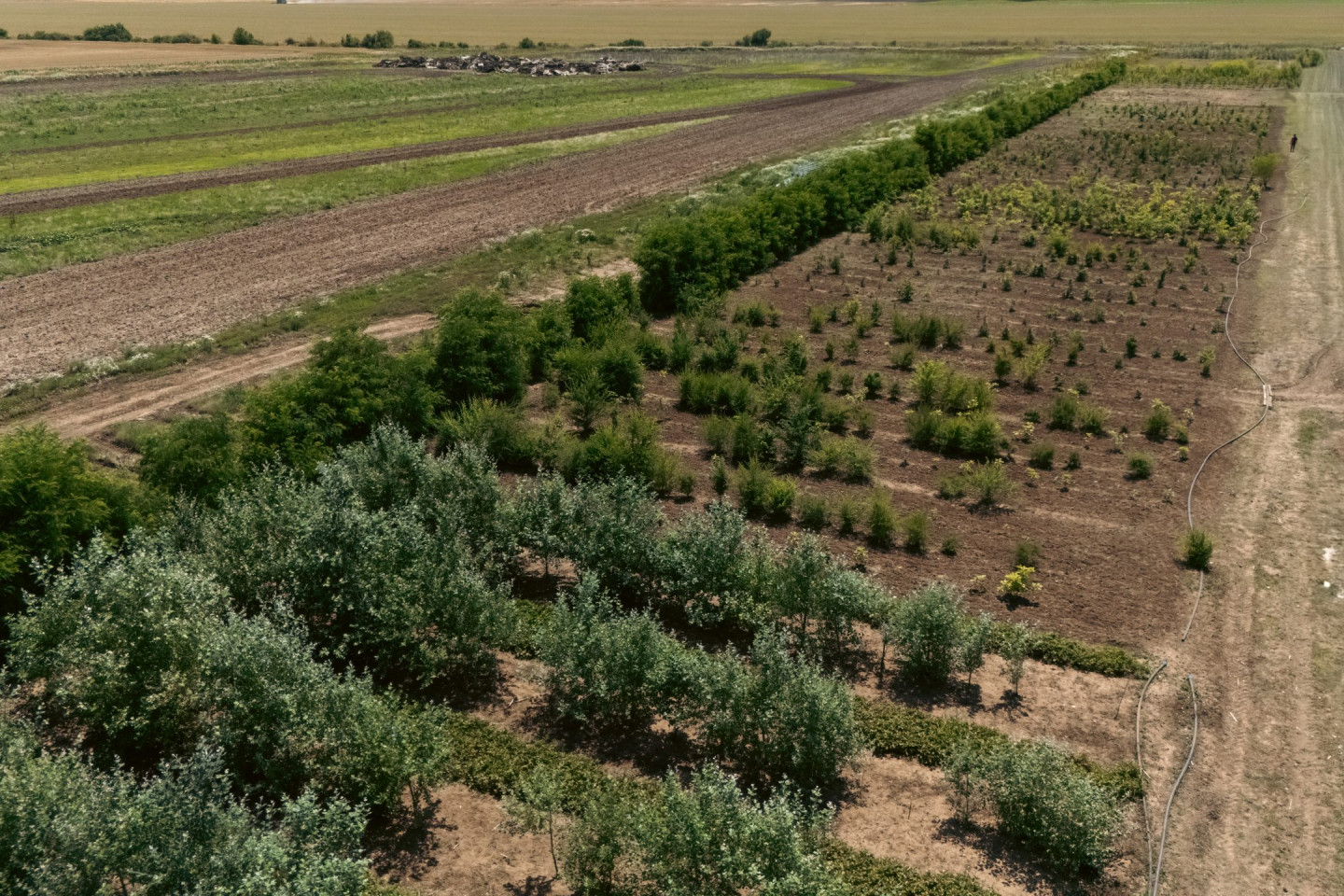
Three and a half years ago, the Tomorrow’s Forest Foundation, together with the partners from HortiNova and the team coordinated by the assoc. prof. dr. ing. Mihai Enescu, from the University of Agronomic Sciences and Veterinary Medicine in Bucharest, started an experimental project in Cârcea with a simple question: can trees help agriculture cope with an increasingly difficult climate? The basic idea: forest species and agricultural crops should not be in competition for land – they can coexist, to the benefit of both.
Mihail Caradaică, executive director of the Tomorrow’s Forest Foundation, describes the basic objective of the project: “We want to prove that nature-based solutions are viable in the Romanian context, where the effects of drought are starting to hit more and more in southern and eastern Romania.”
What the experiment looks like
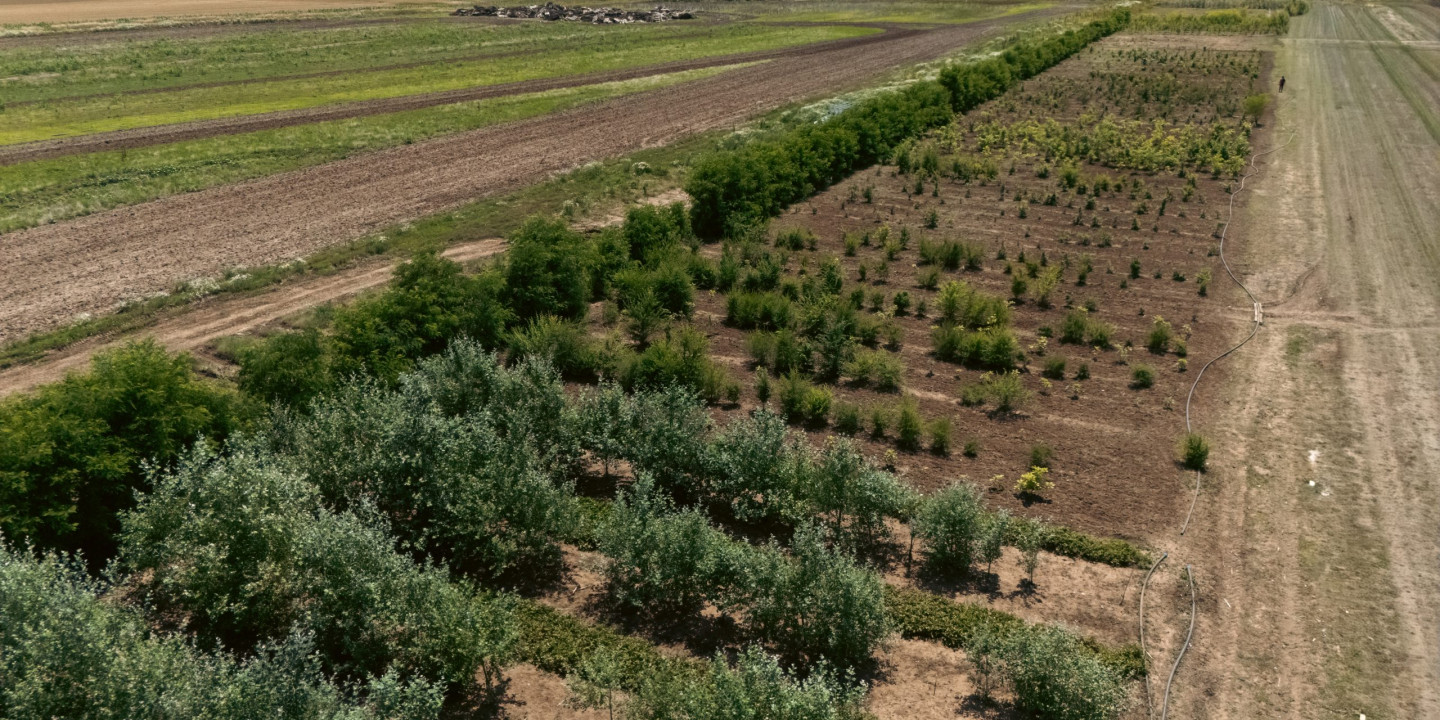
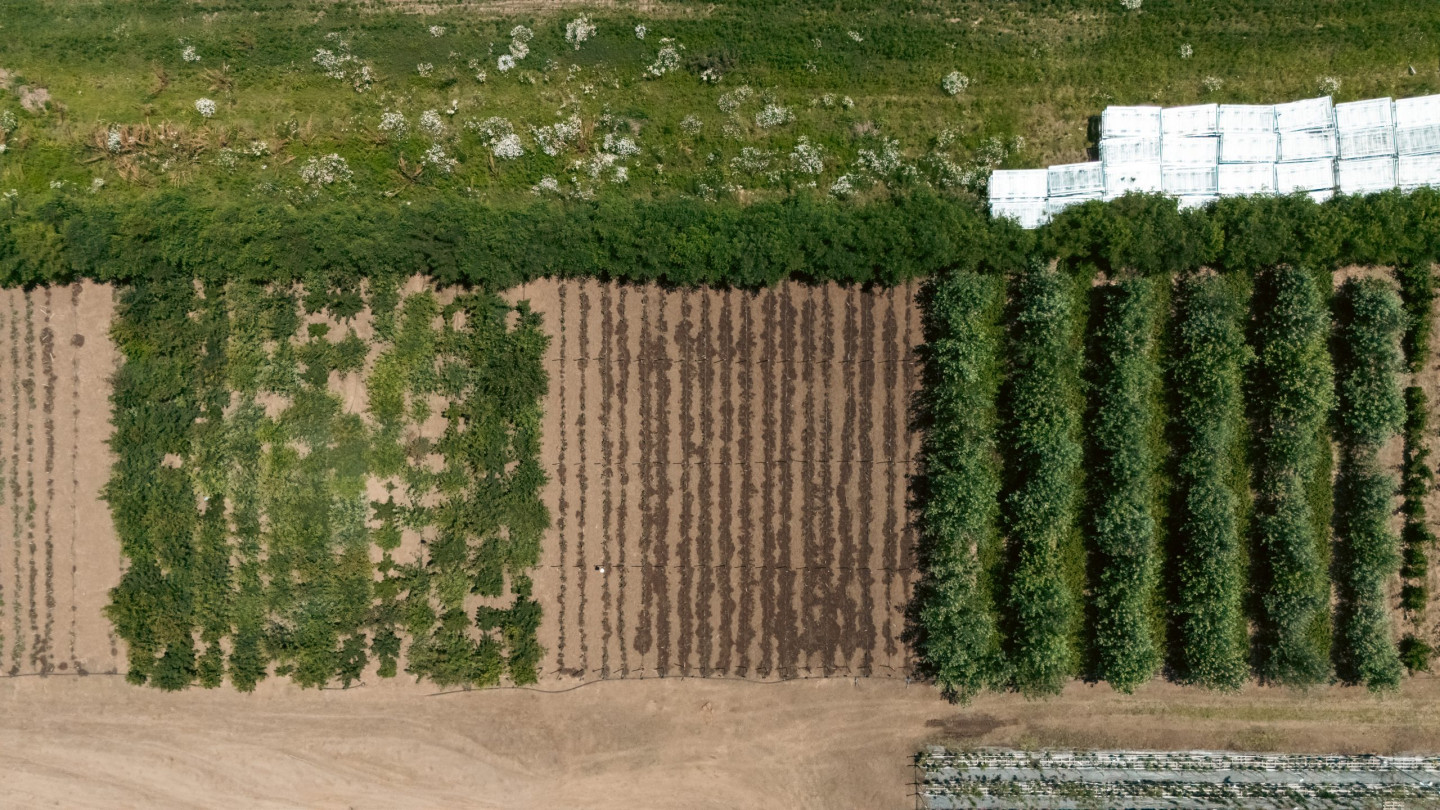
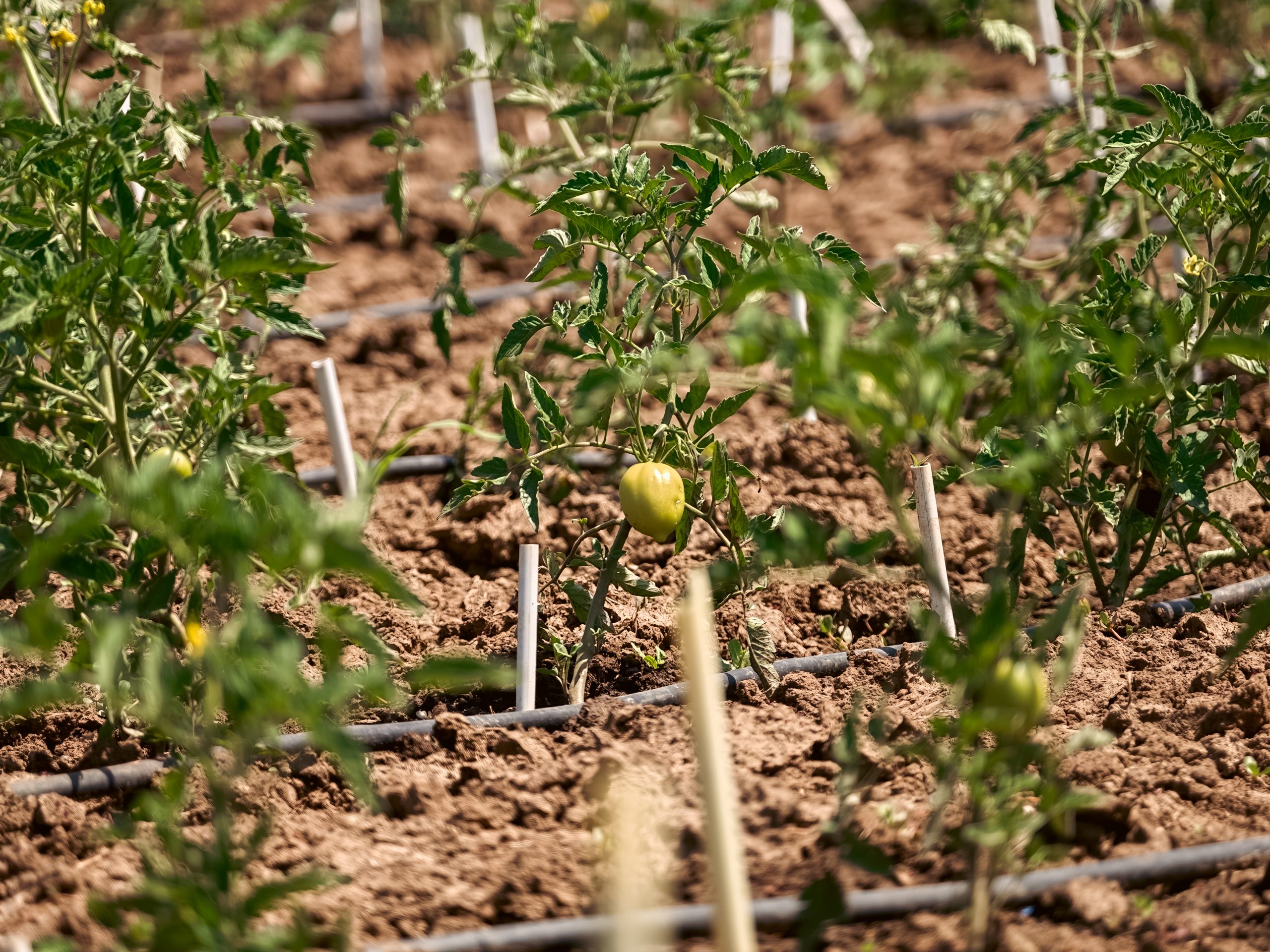
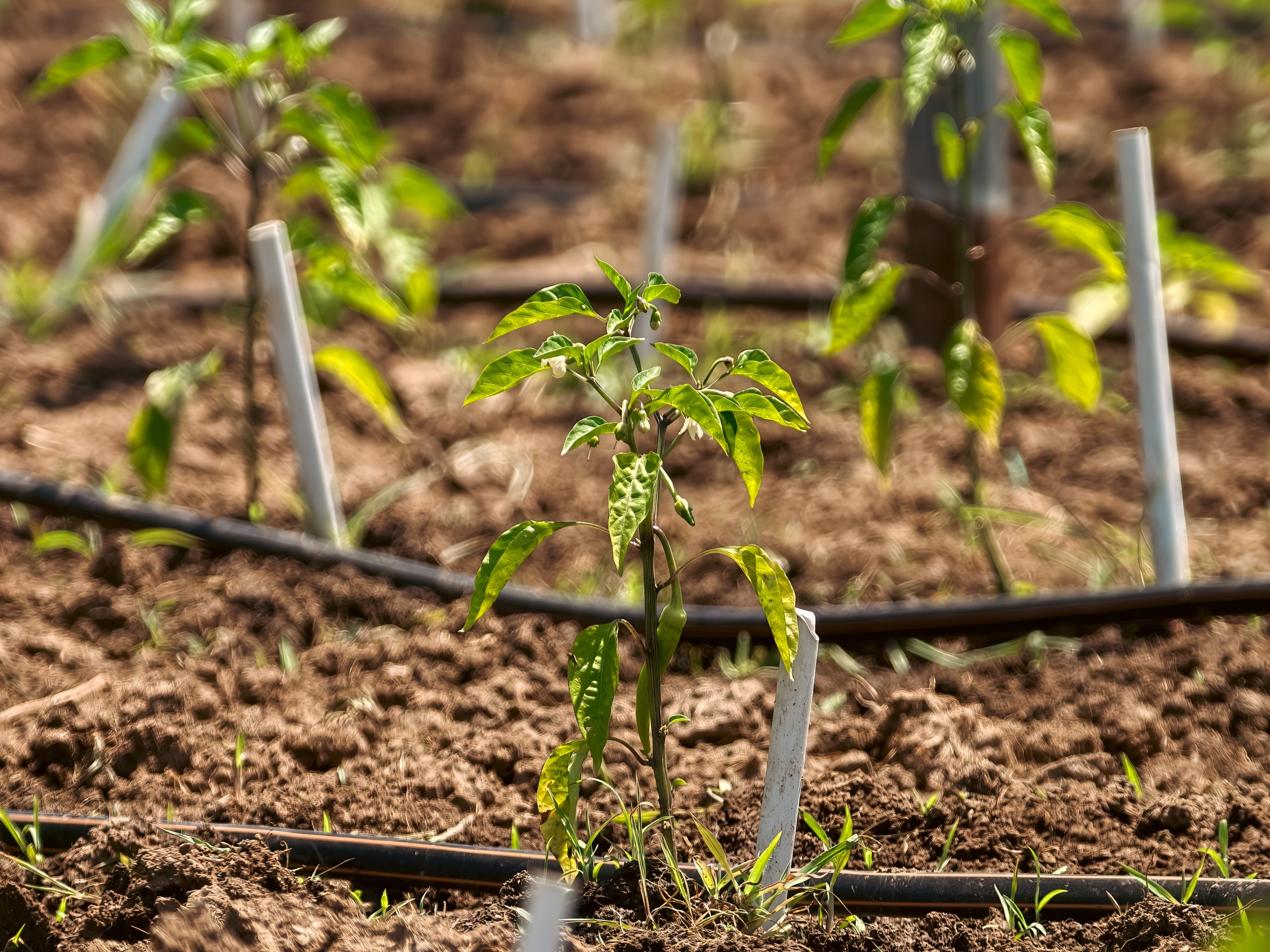
We chose one of the areas most exposed to drought in Romania and arranged an experimental area divided into 20 square plots, each with a side of 24 metres. In each of them we test different combinations of forest species and agricultural crops or fruit shrubs, watching how they interact and how they influence the productivity and resilience of the land.
It’s not a simple row of trees next to a field, it’s a series of combinations tested in parallel, each with its own rationale:
- Plots where staple cereal crops grow protected by tiny forests.
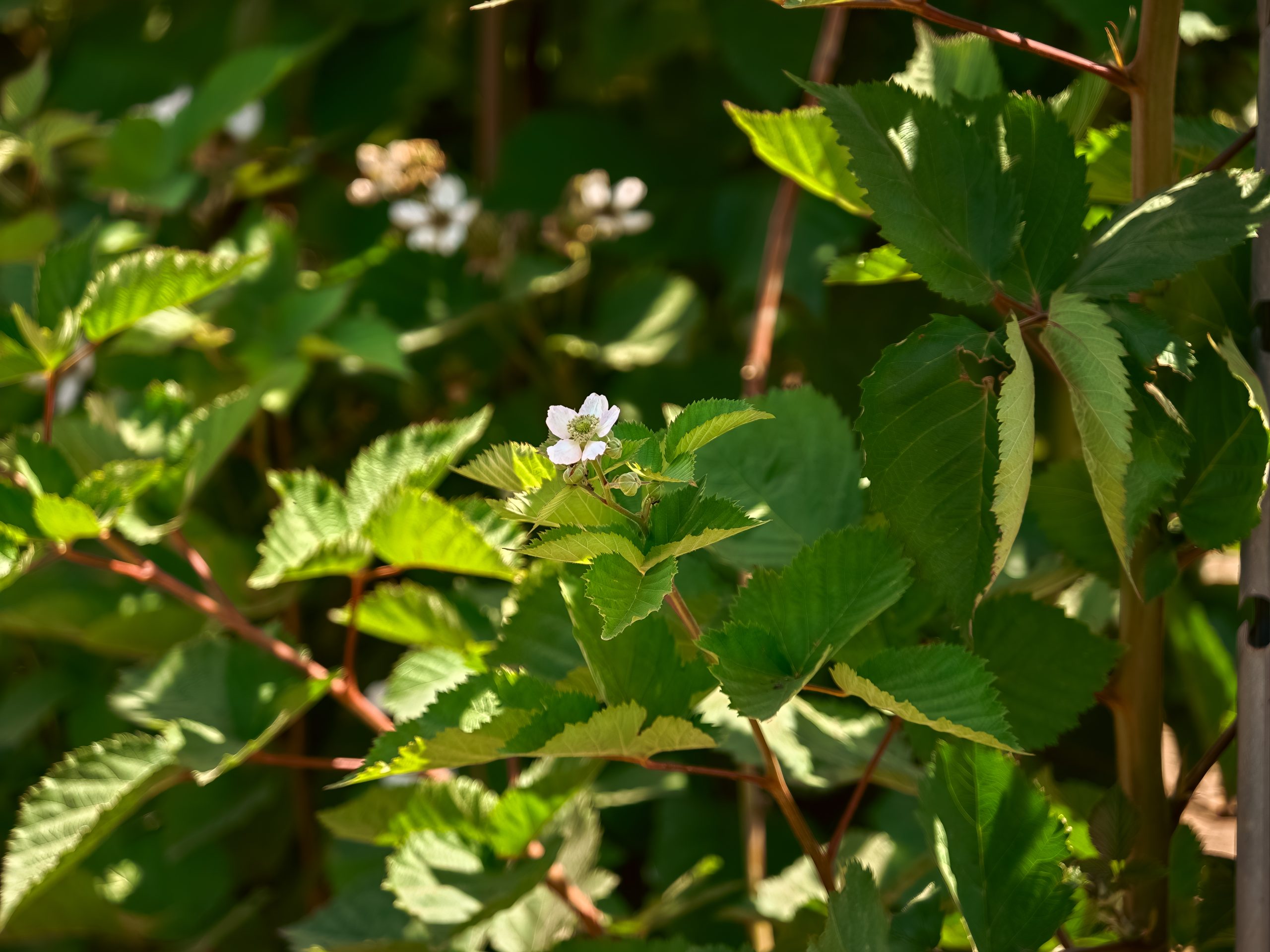
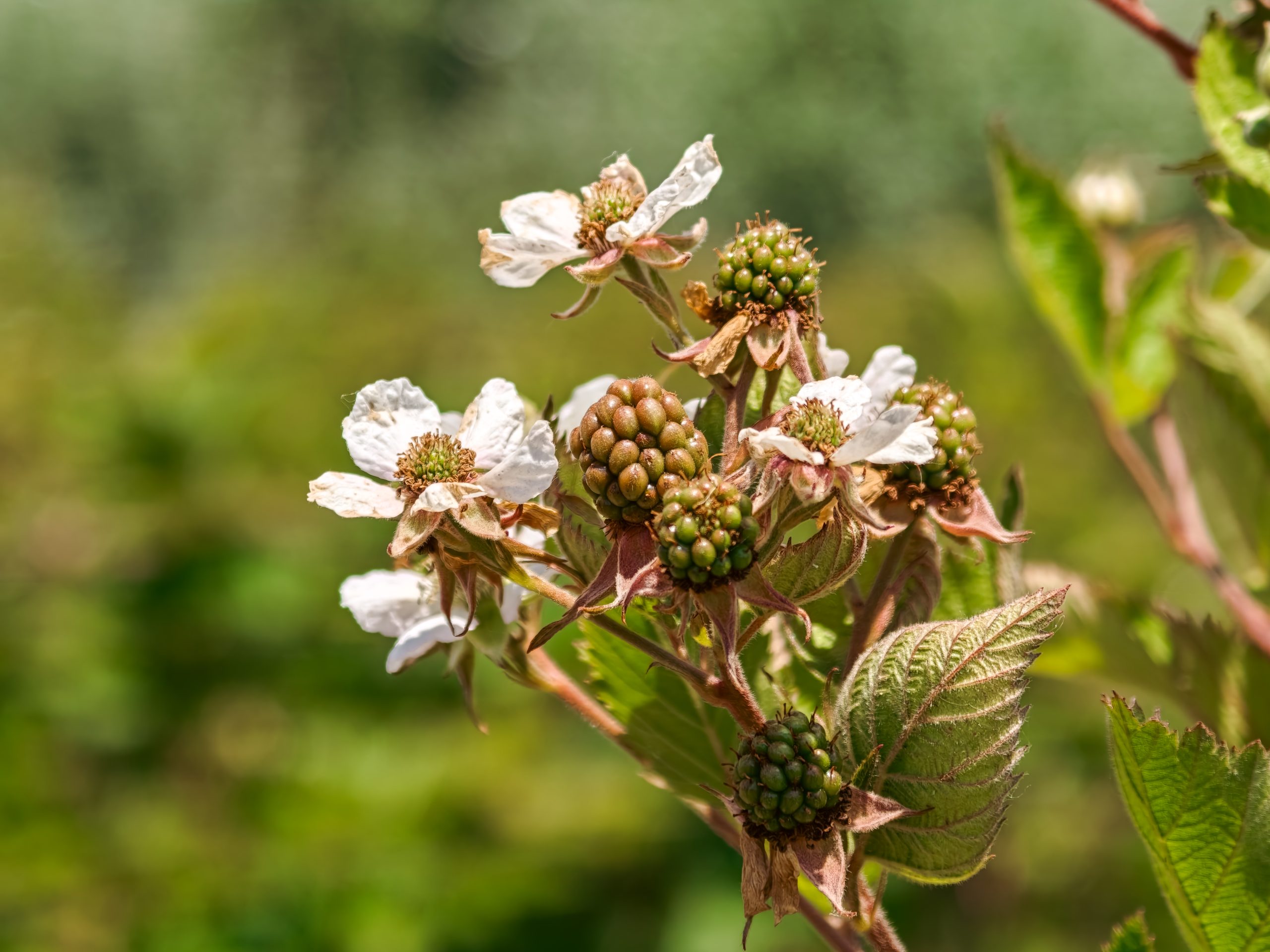
- Plots with forest trees interspersed with raspberries and blackberries, where the sale of berries can cover the costs of maintaining the forest crop, i.e. an alternative source of income for the farmer, not just an expense.
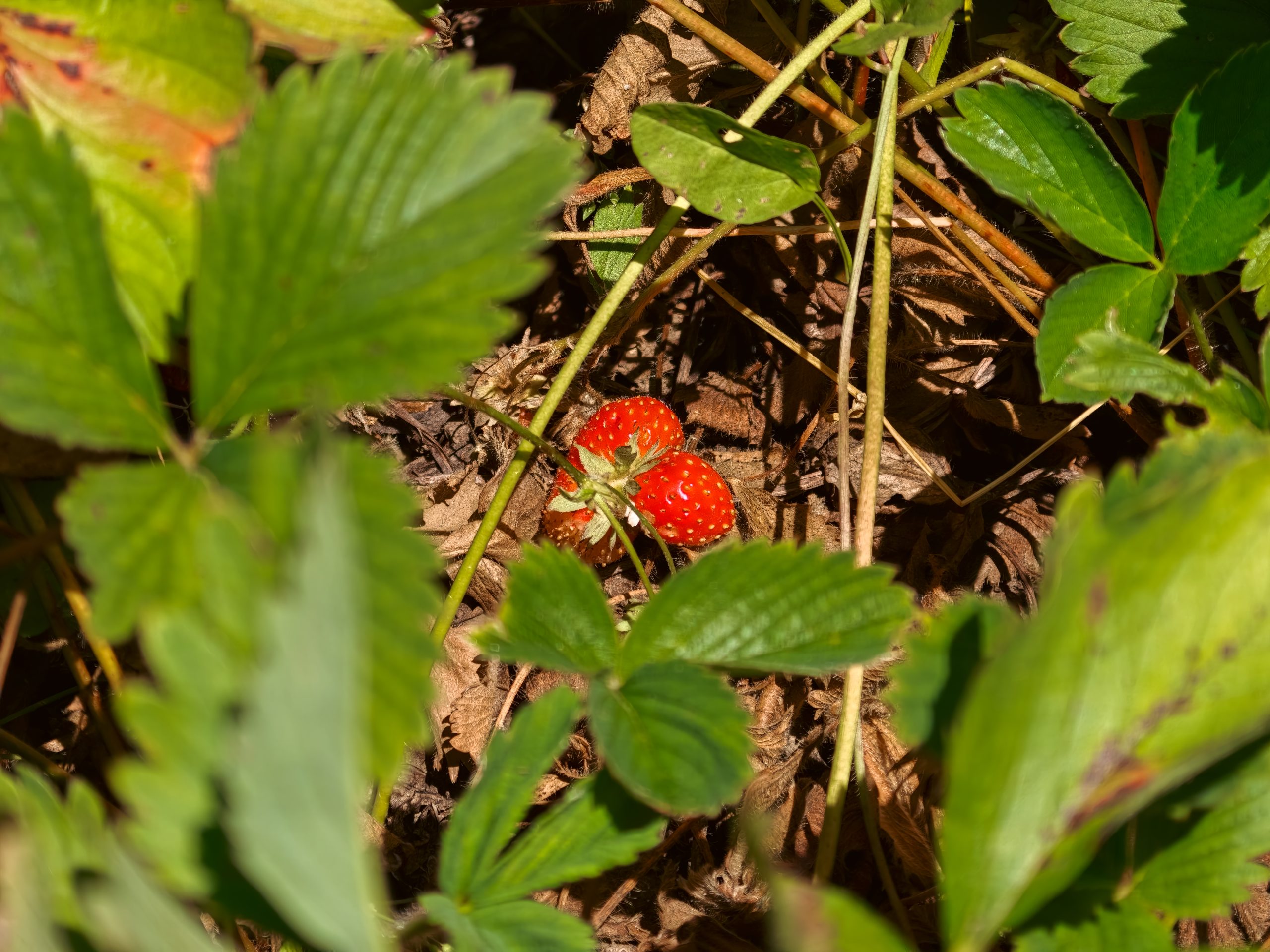
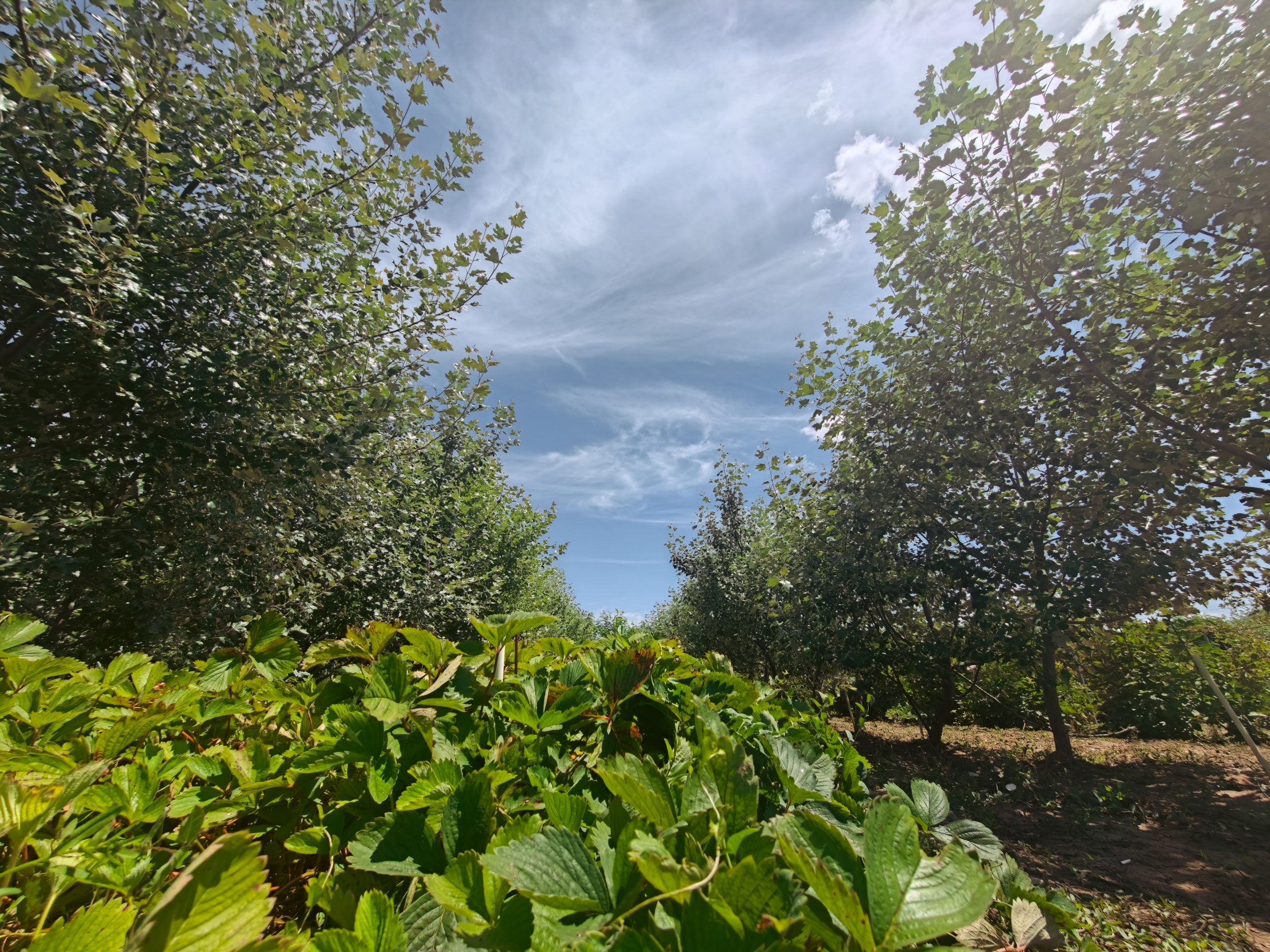
- The combination of white poplar and strawberry, specially chosen to test the microclimate effect: the shade offered by the trees, along with the additional moisture retained in the soil.
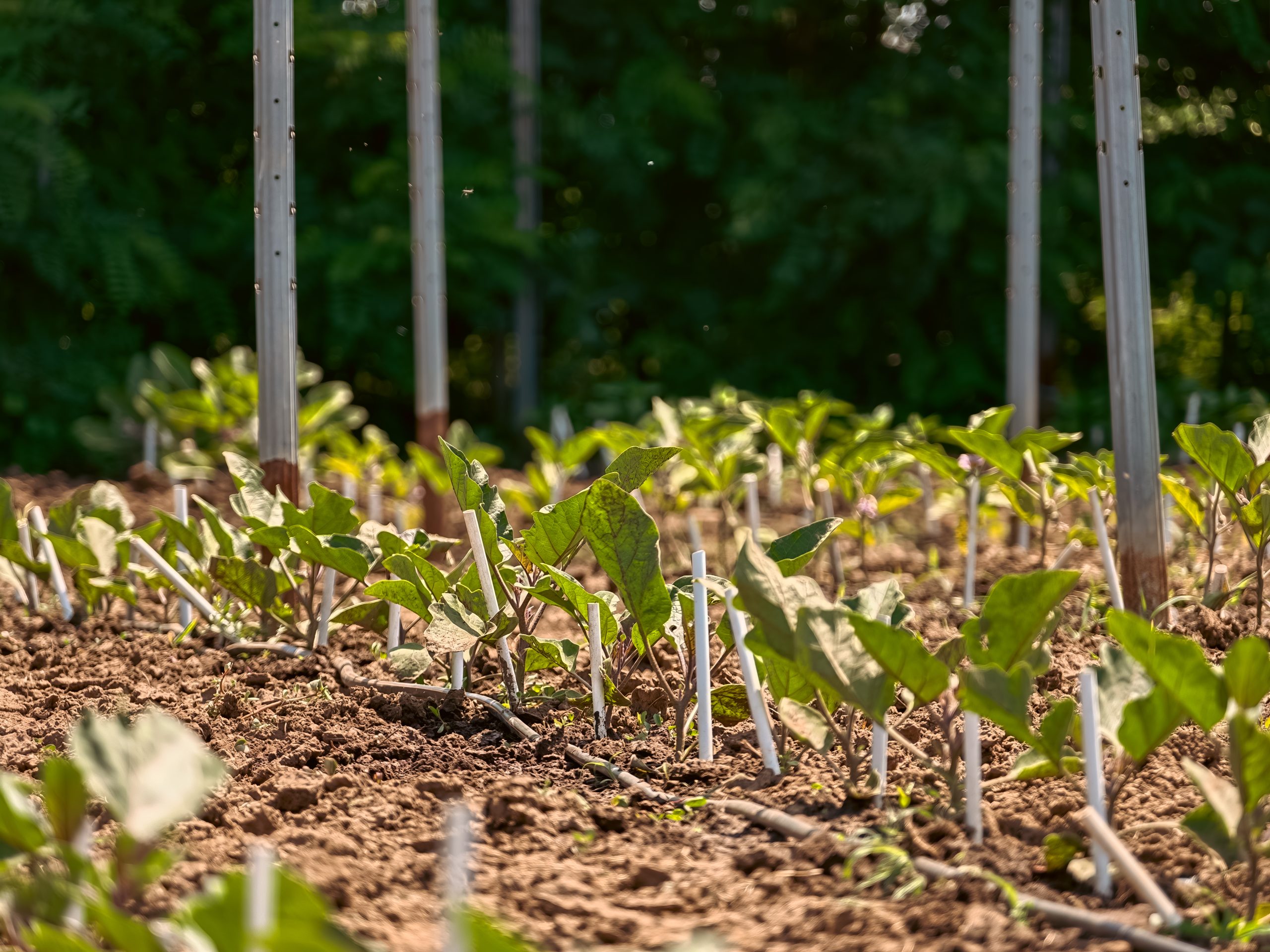
- Plots where, along with the forest culture, vegetables are also maintained, as an additional source of income on the same area.
The first results are starting to appear
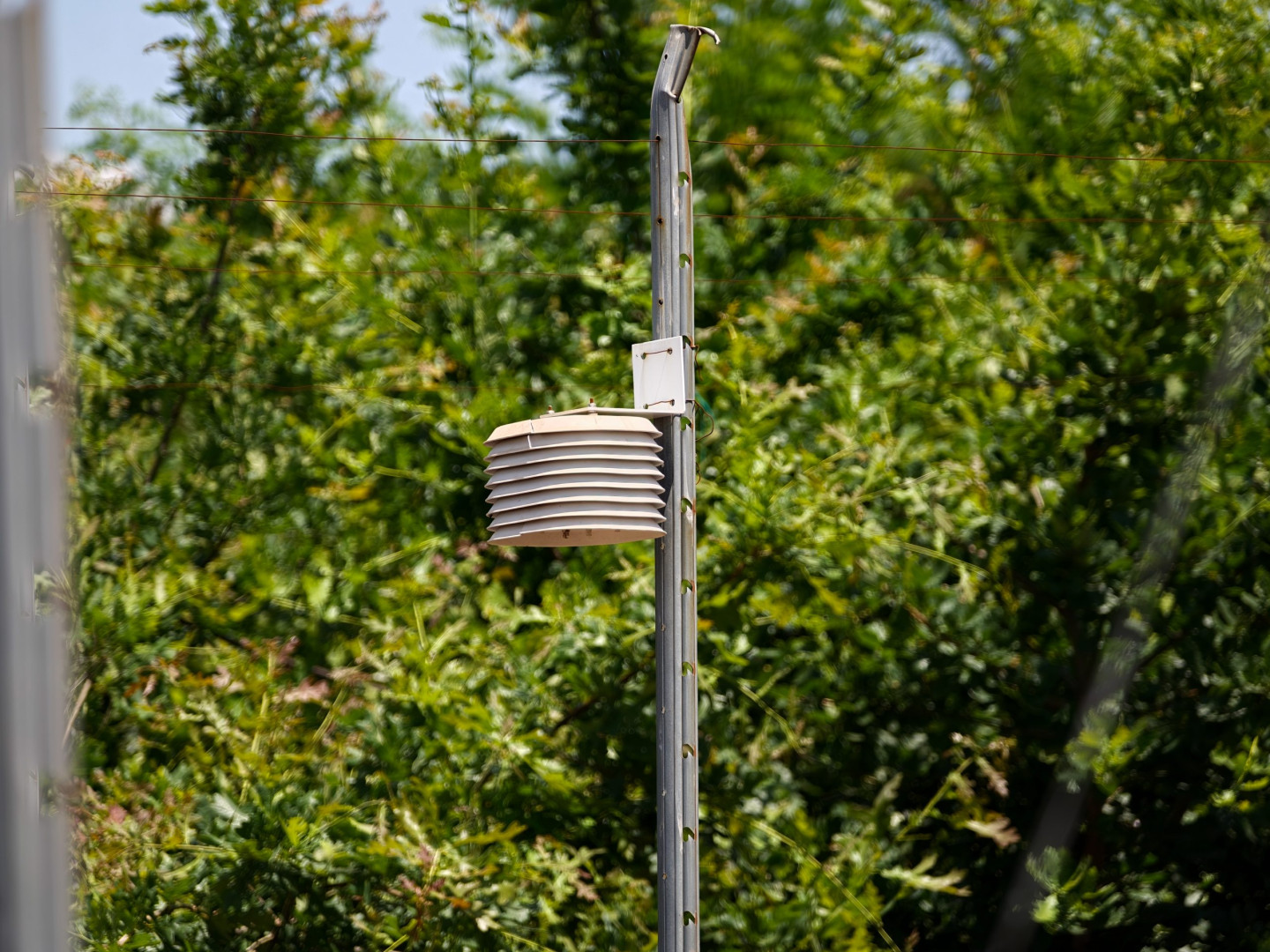
The sensor network installed in the field continuously monitors parameters such as temperature and humidity, helping the research team understand how trees alter the microclimate.
After three and a half years, the differences are already visible: irrigated trees grow noticeably better than non-irrigated ones, an expected but useful confirmation, because all the data is recorded and put into context.
Mihai Enescu, the scientific coordinator of the study, puts the results of the first year in a realistic perspective: “If we have a 60-70% increase in the first year, in such dry lands, we must declare ourselves satisfied.”
Beyond the numbers, the combined effect of trees is exactly what theory predicts: shade, excess moisture and lower temperatures in the adjacent agricultural crops.
In other words, optimal growing conditions, created not by additional irrigation, but by design.
A system that produces both knowledge and income
The project is not designed as a simple isolated demonstration. One of the objectives is to demonstrate that agroforestry systems can also be economically viable.
Agroforestry systems respond directly to today’s climate challenges: higher soil fertility, long-term moisture retention, wind protection and richer biodiversity – benefits that, cumulatively, help agricultural crops yield better and withstand better in dry years.
For farmers in drought-prone areas, such a system does not mean giving up agricultural production in favour of the forest, but diversifying sources of income: berries, vegetables and, in the long term, wood, on the same area that would otherwise produce less and less due to the climate.
What’s next
Three and a half years after its debut, the Cârcea experiment moves from a phase of “we’ll see if it works” to one of systematic data collection and refinement of the tested combinations.
The results will continue to be monitored through sensors installed in the field, and the conclusions will be shared with both academia and farmers interested in replicating the model on their lands.
The project’s goal is to produce a best practice guide for agroforestry systems in Romania, grounded in real evidence collected in the fields.
More images are published on our Facebook page.

Interested in your own agroforestry system?
Agroforestry systems are scalable to all sizes and are adequate for many culture combinations. If you are interested, get in touch!